What Is an Insurance Appraisal? Definition and Complete Guide
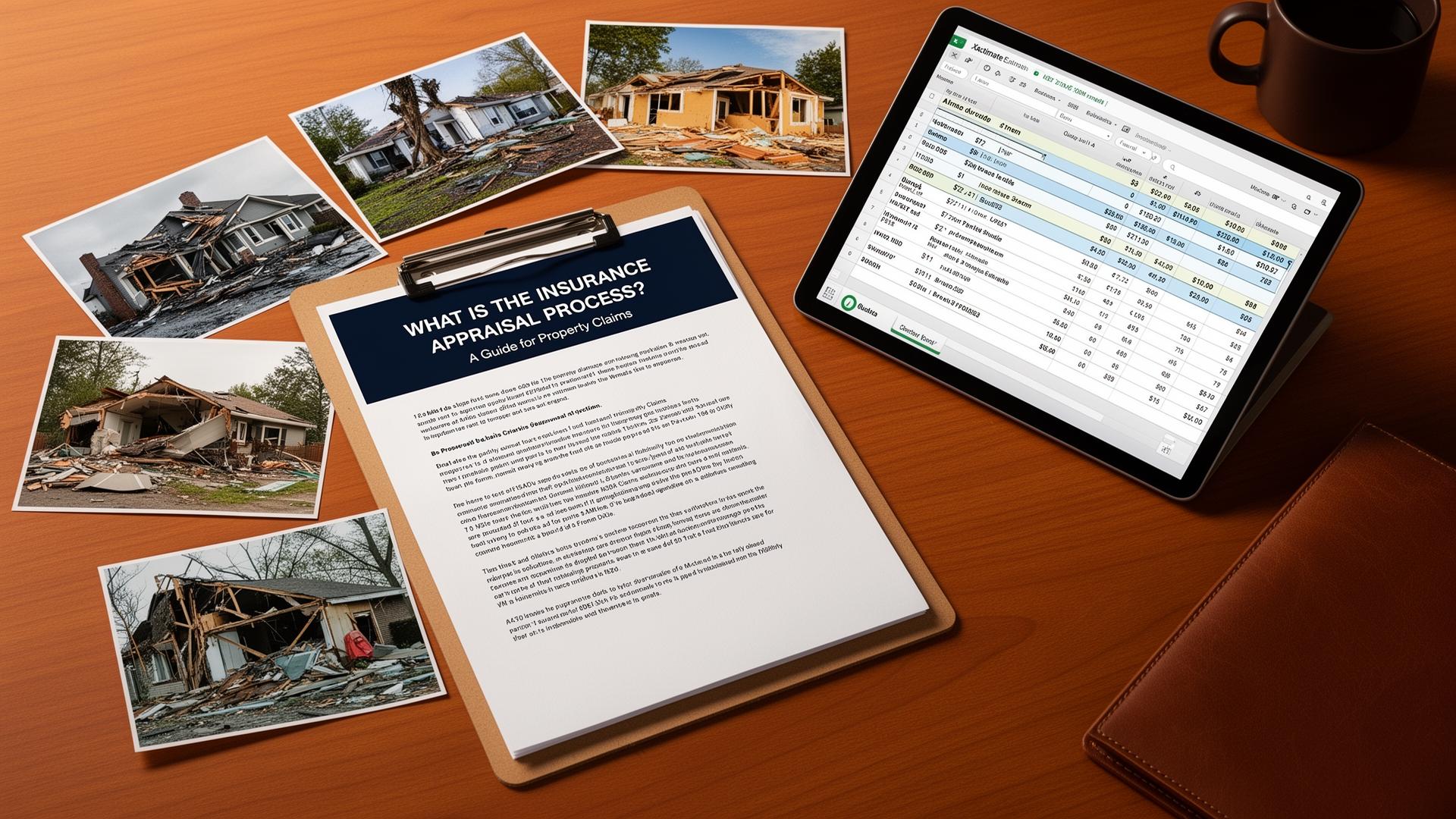
An insurance appraisal is a formal process used to resolve disputes between policyholders and insurance companies over the value of a property damage claim.

Written by
Sarah PatchCo-Founder and Insurance Appraisal Writer
20 years across construction, design, and insurance-related work, including experience serving as an appraiser.
A Narrow Tool for a Valuation Dispute
Insurance appraisal is a process created by an insurance policy for resolving a disagreement about the amount of a property loss. It is not the same thing as the appraisal used to set a home's market value. It is also not a second claim investigation that automatically decides whether the policy covers the damage.
The distinction matters. If the insurer accepts that a covered event damaged the property but the parties disagree about repair scope, quantities, pricing, or value, appraisal may fit the dispute. If the central disagreement is whether an exclusion applies or whether the policy was in force, appraisal may be the wrong tool or may address only part of the conflict.
The useful question
Are the parties arguing about the value of covered damage, or about whether the policy covers the damage at all? The policy language and applicable state law control where that line sits.
Start With the Policy Clause
There is no single appraisal procedure for every claim. Read the full clause in the policy and any endorsements. It may say who can demand appraisal, how notice must be delivered, how quickly each side must name an appraiser, what qualifications apply, how an umpire is chosen, how expenses are divided, and what effect an award has.
A federal flood policy illustrates the common structure without establishing a universal rule. The current Standard Flood Insurance Policy form says each side selects a competent and impartial appraiser when they cannot agree on actual cash value, the appraisers choose an umpire, and agreement by any two sets the amount. Other policies and state rules can differ.
Who Decides the Amount of Loss
A typical panel has two appraisers and one umpire. The policyholder selects one appraiser and the insurer selects the other. Those appraisers inspect the loss, review the competing estimates, and try to agree. The umpire considers the differences that remain. In many forms an award requires the agreement of any two panel members, but the exact signing rule comes from the governing policy and law.
The appraisers are not ordinary advocates. Policy wording and state law may require competence, impartiality, independence, or disinterest. Those terms do not mean exactly the same thing everywhere. Ask candidates to disclose financial relationships, prior work with participants, fee arrangements, and any fact that could create a conflict.
What Appraisal Can and Cannot Decide
Appraisal commonly addresses the amount of loss: the damaged items, reasonable repair method, quantities, labor and material pricing, depreciation, or actual cash value when those subjects fall within the clause. The handling of causation is jurisdiction-specific. Some courts permit appraisers to separate covered from uncovered damage as part of valuation. Others reserve more of that work for a court.
Appraisal generally does not rewrite the policy or decide every coverage defense. An award also does not by itself explain what has already been paid, which deductible applies, or whether replacement-cost conditions have been satisfied. Those accounting and contract questions still need a careful claim review.
For a fuller sequence, see the insurance appraisal process guide. If the panel is already stuck, the umpire guide explains the next stage.
Is Appraisal the Right Next Step?
Before sending a demand, identify the disputed line items and compare the estimates on the same basis. Confirm what the insurer has accepted, denied, or reserved. Then read the clause for deadlines, cost allocation, and award language. That work often reveals whether the dispute is truly about amount.
Appraisal carries costs and can narrow later choices. Each party commonly pays its own appraiser and shares the umpire expense, though the policy or governing rule may say otherwise. A policyholder who cannot tell what the clause requires should get advice tied to that policy and jurisdiction before invoking it.
Sources & Citations
- 1Standard Flood Insurance Policy, Dwelling Form, Electronic Code of Federal Regulations.
- 22024 Appraisal Experience Data Call Report, Texas Department of Insurance.
Disclaimer
This article provides general education, not legal advice or a reading of any particular policy. Appraisal rights, scope, deadlines, qualifications, and award effects vary by policy and jurisdiction.
🔍 Find Qualified Appraisers
Use our directory of 800+ verified insurance appraisers and umpires to find the right professional for your claim.
Browse Directory