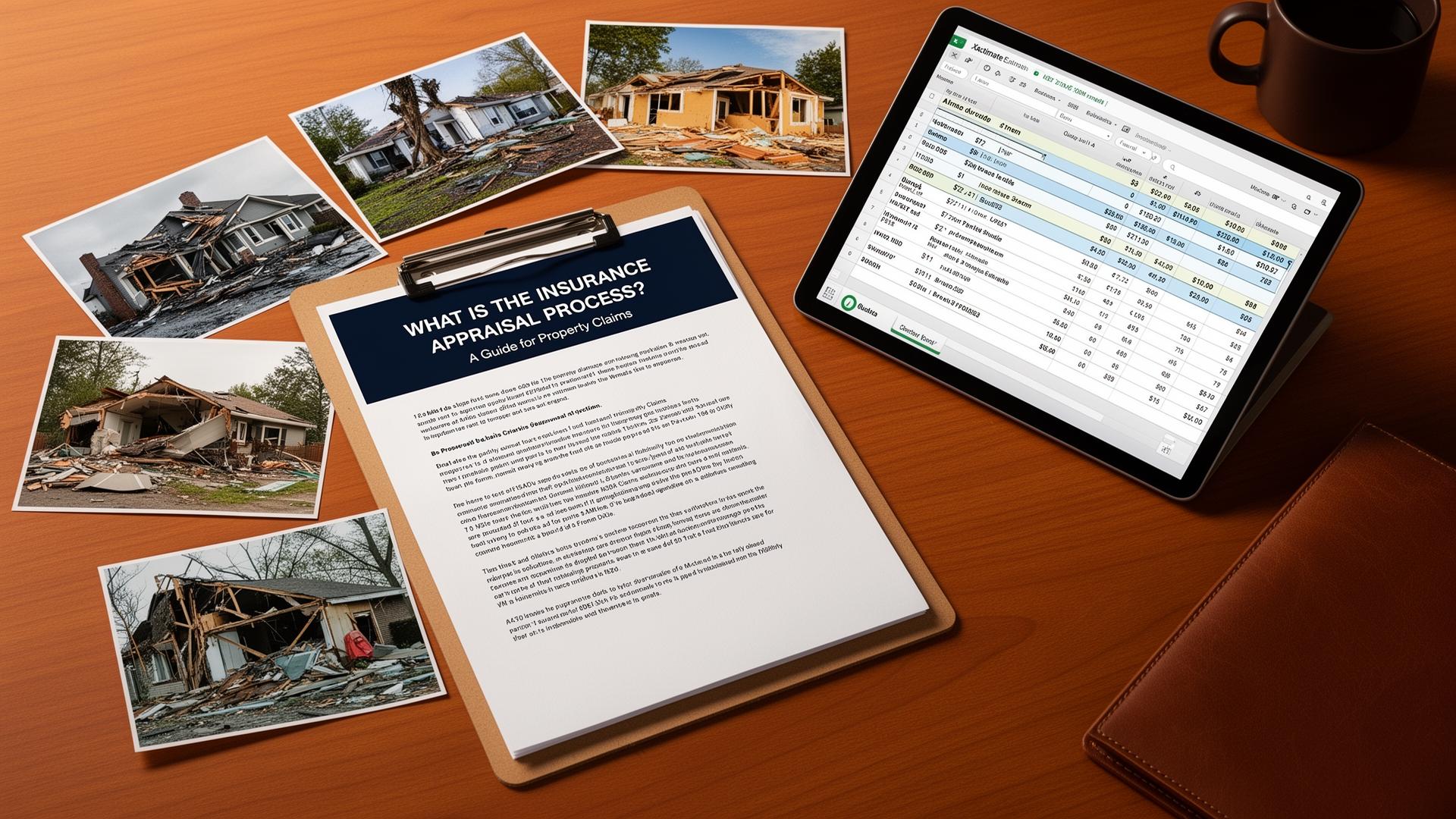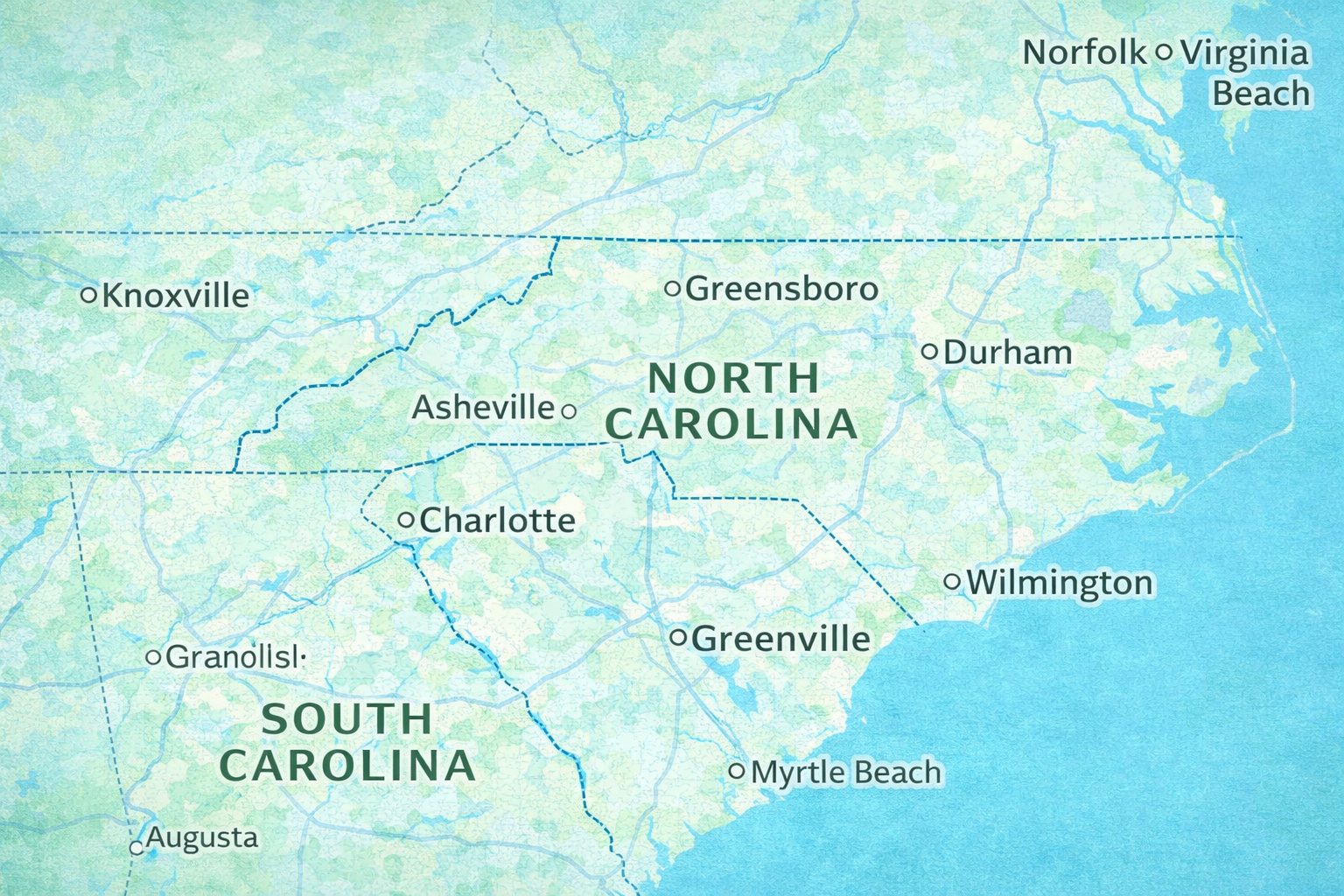
South Carolina Insurance Appraisal: Law and Process
How South Carolina policy language, longstanding case law, and current Department of Insurance guidance shape amount-of-loss appraisal disputes.

Written by
Sarah PatchCo-Founder and Insurance Appraisal Writer
20 years across construction, design, and insurance-related work, including experience serving as an appraiser.
South Carolina's Policy-Centered Framework
South Carolina does not need a freestanding appraisal statute to enforce a policy's amount-of-loss procedure. The state's Department of Insurance tells homeowners who disagree with an insurer about repair amount to look first to the appraisal provision in the policy. The South Carolina Supreme Court has long treated those provisions as valid when they submit valuation, rather than all legal disputes, to a panel.
That makes the issued contract especially important. The clause defines who may demand appraisal, when appraisers must be named, how an umpire is chosen, what the award must contain, how costs are allocated, and whether appraisal is a prerequisite to suit. A standard description of the process cannot replace that wording.
Section 38-75-10 is not an appraisal statute
The existing comparison dataset cited section 38-75-10, but that section concerns premium allocation and the location of insured property. Section 38-75-20 is relevant to fire-loss valuation. Appraisal authority comes from the policy and cases such as Harwell.
The Harwell Rule: Valuation Without Ousting the Courts
Harwell v. Home Mutual Fire Insurance Co. remains the clearest South Carolina explanation of appraisal's role. After a fire, the insured and insurer disagreed about the amount of damage. The policy allowed either side to make a written demand for appraisal and required compliance with policy conditions before suit. The insured refused to participate and argued that the clause improperly displaced the court.
The Supreme Court rejected that argument. A contract cannot replace courts for all questions of law and fact, but it can assign a particular factual issue such as amount of loss to appraisers. Ultimate liability remains for the court. When the policy makes that valuation procedure a condition precedent, refusal to participate can bar the suit unless the insurer waived appraisal or a legal excuse applies.
The distinction is practical. Appraisers can determine what it costs to repair covered fire damage. They do not decide whether the policy was in force, whether an exclusion defeats coverage, whether a party breached the contract, or whether the insurer owes extra-contractual damages.
Read the Current Policy Before Using Historical Deadlines
The clause quoted in Harwell used a familiar six-step structure. A written demand started the process. Each side had 20 days to name a competent and disinterested appraiser. The appraisers had 15 days to choose a competent and disinterested umpire. A judge of a court of record could make the selection if they failed. The panel itemized actual cash value and loss, and any two signatures fixed the amount.
Those details describe the policy before the court in 1956. They are useful because many modern clauses follow the same structure, but they are not safe statewide assumptions. Current forms can change appointment language, notice addresses, itemization, hearing procedure, or timing. Surplus-lines and specialty policies may differ further.
- Locate the appraisal and legal-action conditions in the complete policy.
- Identify the precise amount dispute and the accepted covered damage.
- Follow the clause's written-demand and delivery instructions.
- Calendar policy deadlines without assuming appraisal pauses them.
- Preserve coverage objections for a court or other proper forum.
Cost, Coverage, and Causation Are Different Questions
Current SCDOI disaster guidance explains appraisal as a way to resolve disagreement about the cost to rebuild, repair, or replace property. It expressly separates that job from deciding whether the policy covers those costs. That matches Harwell's division between amount of loss and ultimate liability.
Causation disputes require care because they can contain both questions. A panel may need to observe which materials are damaged and price the covered scope. It should not decide a legal contest over whether wind, flood, wear, faulty construction, or another cause falls inside the policy. One practical approach is to identify and separately value disputed categories while expressly reserving the coverage issue.
An appraisal award therefore establishes a number, not automatic coverage for that number. The insurer can still apply policy limits, deductibles, prior payments, and valid coverage positions. The insured can still challenge a disputed legal position through the forum the policy and law provide.
How Section 38-75-20 Fits Fire Losses
South Carolina's valued-policy provision adds state-specific fire-loss context. Section 38-75-20 says an insurer may not issue a fire policy for more than the value stated in the policy or the value of the insured property. For a total fire loss, the insured is entitled to recover the full amount of insurance. For a partial fire loss, recovery is the actual amount of loss, no more than the amount stated in the contract.
The statute does not create a general appraisal process. It affects the valuation context in which an appraisal or lawsuit may operate. Whether a loss is total or partial can itself be disputed, and replacement-cost riders or other endorsements may add terms that need separate analysis.
Treat the statute, the appraisal clause, and the loss-settlement provision as different parts of the same file. Combining them without preserving their separate roles is how a pricing dispute turns into an avoidable legal dispute.
Documentation, Consumer Help, and the Next Step
Before appraisal, build an itemized record. Keep photographs, contractor estimates, measurements, material specifications, invoices, inventories, and the insurer's estimate. Ask for a written explanation of any denied category. A panel can work with a defined disagreement more effectively than with a single competing total.
SCDOI accepts consumer complaints and publishes claim guidance. The Department can review compliance with insurance law and policy forms, but it cannot give individual legal advice or substitute its judgment for an appraisal panel or court. When the dispute is squarely about amount, the policy clause is the next document to read. When it is about coverage, seek help from the forum authorized to answer that question.
For a broader explanation of when the panel's third member becomes involved, see the insurance umpire process guide.
Frequently Asked Questions
South Carolina's consumer guidance points homeowners to the appraisal provision in their policy when the disagreement concerns repair amount. The right and any obligation to participate depend on the issued policy and controlling law, not on a freestanding statewide appraisal statute.
Yes. The South Carolina Supreme Court has long enforced policy provisions that submit amount-of-loss disputes to appraisal while leaving ultimate liability to the courts. A policy can make compliance a condition precedent to suit, subject to waiver or a legal excuse.
No. Harwell distinguishes appraisal of the amount of loss from judicial determination of liability. Current SCDOI disaster guidance also explains that appraisal determines costs, not whether the policy covers those costs.
Use the issued policy. Harwell reproduced a clause with 20 days to name appraisers and 15 days for the appraisers to agree on an umpire, but that 1956 policy text should not be treated as a universal current deadline for every South Carolina policy.
S.C. Code section 38-75-20 addresses fire-loss valuation. For a total fire loss, it provides recovery of the full amount of insurance, while a partial fire loss is measured by the actual amount of loss up to the policy amount. It is not the source of a general appraisal procedure.
Sources & Citations
- 1S.C. Code Title 38, Chapter 75, including § 38-75-20, South Carolina Legislature.
- 2Harwell v. Home Mutual Fire Insurance Co., 228 S.C. 594 (1956), Supreme Court of South Carolina.
- 3Frequently Asked Questions About Homeowners and Mobile Home Insurance, South Carolina Department of Insurance.
- 4Post-Disaster Claims Guide, South Carolina Department of Insurance.
- 5Property and Casualty Division, South Carolina Department of Insurance.
Disclaimer
This South Carolina guide is for general educational purposes only. It is not legal advice, a coverage opinion, or a prediction about any claim. Insurance rights depend on the issued policy, endorsements, facts, timing, and current law. Consult qualified counsel about a specific dispute.
🔍 Find Qualified Appraisers
Use our directory of 800+ verified insurance appraisers and umpires to find the right professional for your claim.
Browse Directory