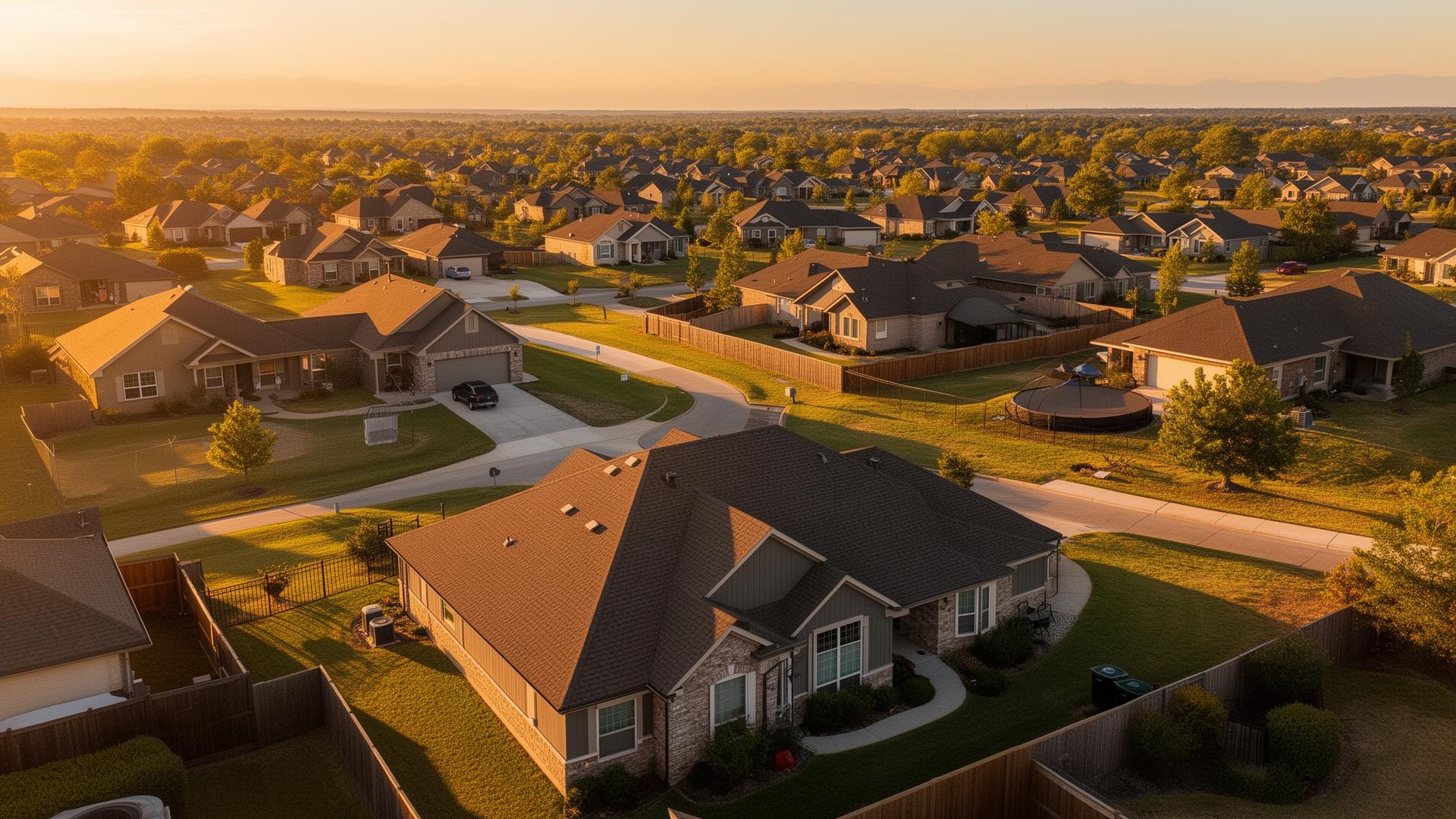
Storm Damage Assessment: What Every Homeowner Should Know
After a major storm, knowing how to properly assess and document damage is crucial for your insurance claim.

Written by
Sarah PatchCo-Founder and Insurance Appraisal Writer
20 years across construction, design, and insurance-related work, including experience serving as an appraiser.
Assess Safety Before Damage
Do not begin a storm inspection until officials say the area is safe to enter. Treat downed lines, standing water, a shifting roof, gas odors, and wet electrical equipment as hazards. FEMA advises confirming that electricity and gas are off after severe flooding and having qualified professionals check affected systems before they are restored.
A roof is not a safe observation platform after wind or hail. Use photographs from the ground and leave climbing, tarping, and close roof inspection to properly equipped professionals.
! Safety comes before damage documentation
If an area is unsafe, record that access was limited. A professional can document the concealed or elevated condition later.
Make a Structured First Pass
Start with a slow video of the exterior and each accessible interior room. Then take still photographs in a repeatable order. Wide images establish location. Mid-range images show the affected assembly. Close images capture torn material, impact marks, staining, displaced flashing, or broken components.
Check the site, exterior walls, windows and doors, visible roof edges, attic, ceilings, mechanical equipment, and detached structures. Inside, trace water from the visible finish toward the likely entry area without assuming the cause. Write down the date, approximate observation time, weather event, and any temporary work already performed.
Preserve Evidence Without Delaying Cleanup
Photograph damage before removing material when safe. Record appliance serial numbers and retain representative samples of carpeting, flooring, wall covering, or roofing when practical. Keep receipts for tarps, drying equipment, lodging, and emergency repairs. FEMA also recommends consulting the insurer before signing cleaning, remediation, or maintenance agreements.
Health hazards change the priority. Discard spoiled food and contaminated porous items when authorities advise it. Photograph them first if possible, list what was discarded, and note why immediate disposal was necessary.
Keep Observations Separate From Causes
“Shingles missing from the west slope” is an observation. “Wind caused every roof condition” is a causation conclusion. A storm may involve wind, hail, wind-driven rain, surface water, fallen trees, and power loss at the same property. Coverage can depend on the cause and on the policy's language.
Record the condition precisely and preserve competing explanations until the evidence supports one. Prior photographs, maintenance records, weather data, material fracture patterns, and the path of water entry may matter. An assessment becomes more credible when it acknowledges pre-existing wear instead of attributing every condition to the newest event.
Know When a Specialist Is Needed
A contractor can scope repairs, an engineer can evaluate structural movement or failure, an industrial hygienist can address certain environmental conditions, and an adjuster evaluates the claim for an insurer or policyholder within the role allowed by state law. Their assignments are different. Ask each professional to state the question they were asked, observations made, materials reviewed, and limits of the opinion.
If the insurer accepts coverage but the estimates remain far apart, appraisal may become relevant. Read the appraiser selection guide only after the claim's damage record is organized enough for a candidate to understand the dispute.
Sources & Citations
- 1How to Document Damage After Severe Weather Events, Federal Emergency Management Agency, April 16, 2025.
- 2Severe Wind: Protect Your Home, Federal Emergency Management Agency.
Disclaimer
This article offers general safety and documentation information. It is not an engineering opinion, claim determination, coverage opinion, or substitute for instructions from emergency officials and qualified professionals.
🔍 Find Qualified Appraisers
Use our directory to compare insurance appraisers and umpires by location, role, listed experience, and specialty.
Browse Directory