How to File an Insurance Claim: Step-by-Step Guide for 2026
A disciplined property claim starts with safety, prompt notice, and a record that lets the insurer evaluate what happened and what was damaged.

Written by
Sarah PatchCo-Founder and Insurance Appraisal Writer
20 years across construction, design, and insurance-related work, including experience serving as an appraiser.
Protect People and Prevent More Damage
A claim starts with safety, not paperwork. Follow evacuation and reentry instructions from local officials. Do not enter an unstable structure or handle standing water near electrical equipment. When it is safe, take reasonable temporary steps to keep the loss from getting worse, such as covering an opening or shutting off a damaged water line.
Photograph the condition before temporary work when that can be done safely. Keep damaged material samples when practical and save invoices and receipts. Do not make permanent repairs or discard nonhazardous evidence until the insurer has had a reasonable opportunity to inspect, unless health or safety requires immediate disposal.
! Emergency work still needs a record
Note who performed the work, what condition made it necessary, what was removed, and what it cost. Photographs taken before and after the work can connect the expense to the loss.
Report the Loss and Build a Claim File
Contact the insurer or agent using the method provided in the policy. Give a factual description of what happened and the damage you can see. Ask for the claim number, the adjuster's contact information, the next required step, and any deadlines or forms. Avoid guessing about a cause that has not been established.
Keep one claim file with the policy and endorsements, photographs, inventories, estimates, receipts, letters, emails, and notes from calls. For each call record the date, participants, and any requested follow-up. A clean chronology is more useful than a pile of disconnected documents.
Document Buildings and Belongings
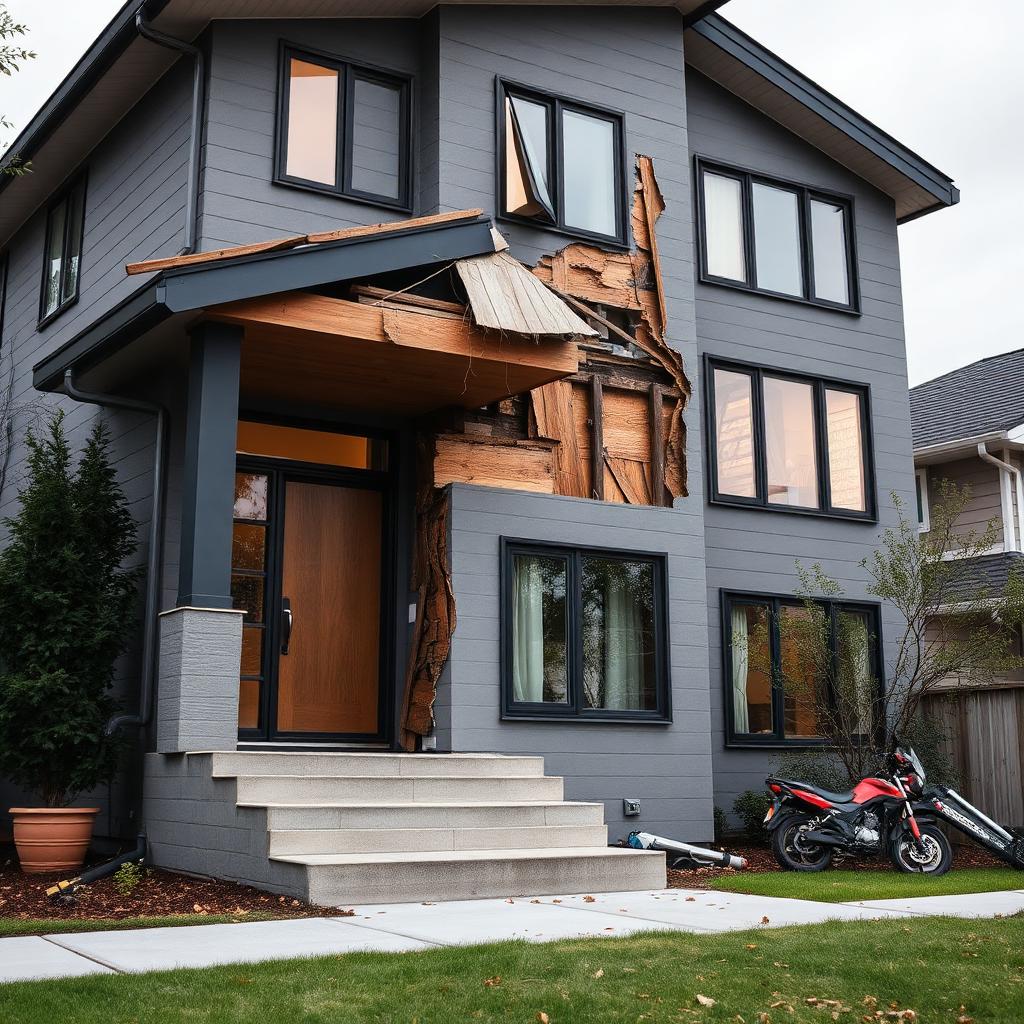
Photograph wide views that show the room or building area, then closer views that show the damage. Include exterior elevations, roof areas visible from a safe position, mechanical systems, and the inside of cabinets and closets when relevant. Record model and serial numbers for appliances and equipment.
For personal property, list each item, its age, identifying details, and the claimed replacement cost. Receipts, prior photographs, manuals, bank records, and online order histories can help. The NAIC recommends maintaining a home inventory before a loss, but a policyholder without one can reconstruct the list from memory and existing photographs.
Work Through the Adjustment
Walk the property with the adjuster when possible and point out each affected area. Ask what additional information is needed and when it is due. If a contractor prepares an estimate, make sure it states dimensions, quantities, materials, labor, and repair method. A bottom-line number is difficult to compare with the insurer's estimate.
Coverage, deductibles, depreciation, and payment stages depend on the policy. Ask the insurer to identify the policy language supporting a limitation or exclusion. If temporary housing may apply, ask what expenses qualify and what documentation is required before committing to a long stay.
Review the Decision Before You Agree
Compare the insurer's estimate with your documentation line by line. Check whether rooms, trades, taxes, permits, and damaged property were omitted. Separate a disagreement about price or repair scope from a coverage denial. They may require different responses.
Ask questions in writing and provide focused supporting records. If the remaining dispute is about the amount of covered damage and the policy contains an appraisal clause, read what insurance appraisal can decide. Do not invoke appraisal merely because a claim is disappointing. First define the actual dispute.
Sources & Citations
- 1What You Need to Know When Filing a Homeowners Claim, National Association of Insurance Commissioners.
- 2Post-Disaster Claims Guide, National Association of Insurance Commissioners.
Disclaimer
This is general claim-organization guidance, not legal advice or a statement of coverage. Duties, deadlines, benefits, and dispute options come from the policy and applicable law.
🔍 Find Qualified Appraisers
Use our directory to compare insurance appraisers and umpires by location, role, listed experience, and specialty.
Browse Directory